The Vibrant Tradition of Cascarones: A Step-by-Step Guide to Making Festive Confetti Eggs
Easter traditions bring families together, creating cherished memories that span generations. In our home, the simple act of decorating Easter eggs has always been a cornerstone of this joyful season. I fondly recall dipping vibrant dyes with my grandmother, a treasured ritual that I’m now thrilled to pass on to my own children. It’s more than just an activity; it’s a living ‘l’egg’acy, a thread weaving through time, connecting past, present, and future, enriching our family narrative with every colorful shell.
While traditional egg dyeing holds a special place, Easter in South Texas introduces an even more energetic and colorful tradition: the creation and eventual smashing of cascarones. Often translated as ‘confetti eggs’ in Spanish, they embody pure, unadulterated festivity. For parents, they might also translate to ‘big, beautiful mess,’ but rest assured, the joy and laughter they bring far outweigh any minor cleanup. These delightful eggs are surprisingly fun and simple to make, transforming ordinary eggshells into vessels of celebration and playful surprise.
What Exactly Are Cascarones? Unpacking a Rich Cultural Tradition
Cascarones are hollowed-out eggshells filled with confetti or small toys, sealed with tissue paper, and then playfully broken over the heads of unsuspecting friends and family. The word “cascarón” itself comes from the Spanish word “cáscara,” meaning eggshell. This vibrant tradition is deeply rooted in Mexican culture and has been enthusiastically adopted in many parts of the American Southwest, particularly in areas like South Texas, where cultural influences beautifully intertwine to create unique celebrations.
More than just a playful prank, cascarones are profound symbols of joy, good luck, and celebration. They are prominent at various fiestas, carnivals, Cinco de Mayo celebrations, and, of course, Easter. The act of breaking a cascarón over someone’s head is said to bestow good fortune and a shower of colorful blessings upon them. It’s a lighthearted way to share happiness, create memorable moments, and literally sprinkle a little magic on special occasions. The explosion of confetti is an instant mood-lifter, transforming any gathering into an unforgettable party filled with laughter and cheerful chaos.
Why Embark on Your Own Cascarone Crafting Adventure?
While store-bought cascarones are readily available during festive seasons, there’s an undeniable charm and satisfaction in crafting your own. Making cascarones at home offers a multitude of benefits that extend beyond mere cost savings, turning a simple craft into a meaningful family activity:
- Family Bonding: It’s an ideal activity for all ages, fostering teamwork and creativity. Kids love the hands-on process, from the delicate task of hollowing out the eggs to decorating them with their unique flair, creating shared experiences and lasting memories.
- Cost-Effective Fun: You can create a large batch of cascarones for a fraction of the cost of purchasing them pre-made, especially if you conscientiously save eggshells from your regular cooking. This makes festive celebrations more accessible and sustainable.
- Personalized Touch: Homemade cascarones allow for complete creative freedom. Choose your own colors, themes, and even the type of confetti to perfectly match your specific celebration, personal style, or party décor.
- Eco-Friendly Options: By making your own, you have complete control over the materials. Opt for biodegradable confetti, natural dyes, or even repurpose shredded paper from old documents or magazines for a more environmentally conscious celebration.
- Mindful Celebration: Engaging in a craft like this encourages mindfulness, patience, and a deeper appreciation for cultural traditions, turning a simple egg into a work of festive art with personal significance.
Gathering Your Festive Cascarone Crafting Supplies
Before you begin your cascarone journey, ensure you have all your tools and materials ready. Most items are likely already in your kitchen or craft drawer, making this a wonderfully accessible DIY project!
- Eggs: Any size will do, but larger eggs offer more surface area for decoration and hold more confetti. White eggs typically take color and paint better than brown ones.
- Small Pin or Needle: Essential for carefully piercing the eggshells without causing cracks.
- Small Bowl: To collect the egg contents (don’t waste them!).
- Food Coloring or Craft Paint: A vibrant variety of colors to bring your eggs to life. Acrylic paints are highly recommended for their coverage and quick drying time.
- Small Paint Brushes or Cotton Swabs: For detailed decorating and applying colors evenly.
- Confetti: Store-bought, homemade shredded paper, or even natural alternatives like dried flower petals or birdseed (for eco-friendly outdoor use).
- Tissue Paper: Small squares (about 2×2 inches or 5×5 cm) to seal the egg openings. Consider matching colors to your eggs for a polished look.
- White Craft Glue or Glue Stick: To adhere the tissue paper securely to the eggshell.
- Toothpicks or Skewers: Helpful for gently stirring egg contents inside the shell or for applying a thin line of glue.
- Shot Glasses or Egg Cartons: Perfect for holding hollowed eggs steady while they dry and during the decorating process.
- Newspaper or Drop Cloth: Absolutely essential to protect your work surface from paint drips and the inevitable confetti explosion.
Step-by-Step Guide: Crafting Your Own Cascarones
Step 1: The Delicate Art of Hollowing Out Your Eggs
This is often described as the most satisfying part of the process – there’s something undeniably childlike and intriguing about transforming a whole egg into an empty canvas. It requires a gentle touch and a bit of patience, but the result is a perfectly intact shell ready for its festive makeover.
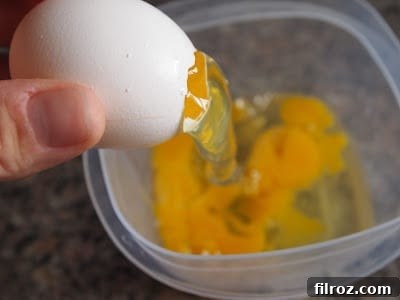
Begin by carefully piercing a small hole at one end of the egg with a sharp pin or needle. Gently rotate the pin to widen the hole to about 1/8 to 1/4 inch (3-6mm) in diameter. Then, at the opposite end of the egg, create an even smaller hole. The key here is to make the holes just big enough to allow the contents to flow out without cracking the delicate shell. Some crafters find it helpful to make the holes slightly larger than a pinprick, but not so large that the integrity of the shell is compromised.
Over a bowl, place your mouth over the smaller hole and blow steadily and firmly. The egg whites and yolk should come out of the larger hole. If it’s not flowing easily, use the pin or a straightened paperclip to carefully break up the yolk inside. Continue blowing until the shell is completely empty. Some prefer to use a small syringe or a straw to suck out the contents, offering a less messy alternative, especially for those sensitive to the smell of raw egg. Remember to wash your hands thoroughly after handling raw eggs to maintain hygiene.
Don’t let those valuable egg contents go to waste! The eggs you hollow out can be used for a multitude of delicious culinary purposes. Just like in our home, where they often become the star ingredient in scrumptious Finnish pancakes the very next day, they can also be whisked into fluffy scrambled eggs, incorporated into a rich quiche, used in your favorite baking recipes, or even added to casseroles. This not only prevents waste but also turns a crafting session into a resourceful culinary adventure, making the most of every part of the egg.
Step 2: Thorough Cleaning and Patient Drying
Once your eggs are hollowed, it’s crucial to clean them thoroughly. Gently rinse the inside and outside of each shell under cool running water. You can even add a tiny drop of dish soap to the water, swish it inside the shell, and then rinse again until all soap residue is gone. This step is vital for ensuring there’s no lingering egg smell and that your shells are perfectly clean and ready to accept decoration.
After rinsing, shake out as much water as possible from the shells. Then, it’s time for drying. Patience is key here, as thoroughly dry shells prevent mold and ensure that paints and dyes adhere properly. Place your hollowed eggs upside down in an egg carton, on a wire rack, or, as a brilliant little trick, balance them upright in shot glasses. Shot glasses are perfect for holding eggs steady and allowing air to circulate around them, facilitating even drying. Allow your eggs to air dry completely for at least 24 to 48 hours. If you’re in a hurry and need them sooner, you can place them in an oven on its lowest setting (around 150°F / 65°C) for an hour or two, or gently use a hairdryer on a cool setting. Ensure they are bone dry inside and out before proceeding to decorating.
Step 3: Unleashing Creativity: Decorating Your Eggshells
Now comes the truly exciting part – transforming plain eggshells into vibrant works of art! This is where your personality and the spirit of the celebration truly shine through. You can approach this step in countless creative ways, making each cascarón unique:
- Painting: Acrylic paints are excellent for eggshells, offering bright, opaque colors that adhere well. Use small brushes to create intricate designs, or simply paint entire shells in solid, cheerful hues for a bolder look.
- Dyeing: For a classic, translucent look, use food coloring mixed with vinegar and water, just like traditional Easter eggs. The hollowed shells will absorb the color beautifully and evenly.
- Markers & Pens: Permanent markers, especially metallic or glitter pens, can add stunning details, patterns, and personalized messages to your eggs.
- Glitter & Stickers: For extra sparkle and texture, apply a thin layer of glue and sprinkle glitter generously. Festive stickers, temporary tattoos, or even cut-out paper shapes can also be used for quick and easy decoration, perfect for younger crafters.
Don’t be afraid to experiment with patterns, stripes, polka dots, abstract splashes of color, or even themed designs. Pink and yellow often scream ‘SPRING!’ with their cheerful and refreshing vibe, but any combination that brings you joy and reflects the festive occasion is absolutely perfect. Allow each decorated egg to dry completely before moving to the next step, ensuring your beautiful designs don’t smudge or transfer. This might require another few hours, depending on the type of paint or dye used and the humidity.
Step 4: Filling with Festive Fun and Surprises
The heart of any cascarón is its contents. Traditional cascarones are filled with vibrant, colorful paper confetti, but you can get wonderfully creative and customize your fillings to suit your event or personal preference! Gather your chosen confetti – whether it’s store-bought bags of multicolored paper, homemade confetti from shredded colored paper (a great way to recycle!), or even more unique, eco-friendly options like dried flower petals, small leaves, or birdseed (ideal for outdoor celebrations where cleanup is less of a concern and wildlife can enjoy a treat). Glitter can also be added for an extra sparkle, just be mindful of its environmental impact if used outdoors. For a truly unique twist, some people even add tiny candies or small, lightweight trinkets, though classic confetti remains the most popular choice for the iconic “shower of blessings.”
Using a small funnel or a spoon, carefully fill each decorated eggshell with your chosen confetti through the larger hole. Fill them generously, but be sure to leave a little space at the top so that the tissue paper seal can be applied without forcing the confetti out. This step is often the messiest, but also one of the most exciting, as you prepare the surprise within each shell. Lay down plenty of newspaper or a drop cloth to catch any stray confetti, and let the festive chaos begin! The more vibrant the confetti, the more impactful the eventual burst will be.
Step 5: Sealing the Surprise with Tissue Paper
With your eggs delightfully filled, the final step in crafting is to seal the opening, keeping the confetti securely inside until the eagerly anticipated moment of truth. Cut small squares of tissue paper, roughly 2×2 inches (5×5 cm), ensuring they are large enough to comfortably cover the larger hole you used for filling. A vibrant tissue paper color that complements your egg’s design adds a nice finishing touch, enhancing the overall aesthetic.
Apply a thin layer of white craft glue or a glue stick around the rim of the hole on the eggshell. Gently press a tissue paper square over the opening, smoothing it down carefully with your fingers to create a secure seal. Don’t worry if your eggs weren’t perfectly dry when you filled them, or if there are minor imperfections on the shell from the hollowing process; the tissue paper is remarkably forgiving and will elegantly cover any small blemishes, creating a neat and polished appearance. Allow the glue to dry completely for at least an hour, or until the tissue paper is firmly adhered and the seal is robust enough to withstand a playful tap without bursting prematurely.
The Grand Finale: The Joyful Breaking of Cascarones!
Once your beautifully crafted cascarones are completely dry and securely sealed, the real fun begins! This is the moment everyone anticipates. The tradition is wonderfully simple yet exhilarating: find an unsuspecting friend or family member, and with a playful cheer, gently crack a cascarón over their head. The satisfying ‘pop’ of the delicate shell, followed by a delightful cascade of colorful confetti over their hair and shoulders, is guaranteed to elicit smiles, infectious laughter, and sometimes, a hilariously comical look of surprise.
This isn’t about aggression or causing harm; it’s entirely about sharing joy, spreading good luck, and creating moments of pure, innocent fun. The chase that often precedes the break can be as much fun as the break itself, adding an element of playful mischief and excitement to any gathering. While it might inevitably lead to a colorful mess on clothing and surfaces, the fleeting nature of the confetti shower and the pure happiness it brings makes every speck of cleanup absolutely worthwhile. It’s a symbolic blessing, a vibrant burst of festivity, and an unforgettable moment that truly embodies the spirit of celebration and lighthearted community. The laughter it generates is truly priceless.
To make cleanup manageable, especially if you’re celebrating indoors, make sure to do this outdoors or in an area where cleanup is well-prepared for. The sheer delight on everyone’s faces as the confetti rains down is a testament to the simple, profound joy these confetti eggs bring. It’s a tradition that transcends age, effortlessly bringing out the inner child in everyone, from toddlers experiencing their first confetti shower to grandparents reliving festive memories. So, aim carefully, laugh heartily, and enjoy the magical moment!
Beyond Easter: Cascarones for Every Occasion
While cascarones are undeniably a beloved Easter staple, their festive appeal isn’t limited to just one holiday. These joyful confetti eggs can be adapted for almost any celebration where you want to add an element of surprise, cheer, and interactive fun. Think about incorporating them into birthday parties for an unexpected pop of color, adding a playful burst to graduation ceremonies, or even using them as a unique and memorable way to celebrate Cinco de Mayo, New Year’s Eve countdowns, family reunions, or even gender reveal parties (with specific colored confetti!).
Decorate them to match the specific theme or color scheme of your event, and watch as guests of all ages delight in the unexpected shower of color and good cheer. They are a fantastic, interactive way to liven up any gathering and create lasting, laughter-filled memories that guests will talk about long after the confetti has been swept away. Their versatility makes them a go-to for injecting spontaneous joy into any festive occasion.
Embracing the Mess (and Making Cleanup Easy!)
Let’s be honest, cascarones create a mess. A beautiful, colorful, wonderful mess! But part of the tradition, and indeed part of the fun, is embracing the temporary chaos. To make cleanup a breeze, especially if you’re celebrating indoors, lay down old sheets, tarps, or even large disposable tablecloths in the areas where the cascarones are most likely to be broken. This creates an easy collection point for the confetti afterward.
For outdoor festivities, consider using biodegradable confetti, dried flower petals, small natural leaves, or even birdseed as fillers to minimize environmental impact and make cleanup almost nonexistent. A good leaf blower can make quick work of outdoor confetti, dispersing it harmlessly, while a strong vacuum cleaner with a hose attachment is your best friend indoors. Remind yourself that the vibrant explosion of confetti is a small price to pay for the priceless smiles, boisterous laughter, and joyous moments these simple, handmade treasures bring. It’s a mess born of happiness, and that’s a mess worth making!
A Legacy of Laughter and Tradition
From the delicate process of hollowing an egg to the vibrant burst of confetti, making cascarones is a journey filled with creativity, anticipation, and pure, unadulterated joy. It’s a wonderful way to connect with rich cultural traditions, encourage artistic expression across all age groups, and, most importantly, create indelible memories with your loved ones that will be cherished for years to come. Whether it’s a quiet afternoon of crafting, bonding over shared creative efforts, or a lively Easter morning filled with playful chases and confetti showers, cascarones add a unique and vibrant sparkle to any celebration.
So, gather your supplies, call your family and friends, and start your own cascarone ‘l’egg’acy. Embrace the mess, cherish the laughter, and revel in the simple magic of these festive confetti eggs. Happy crafting, and may your celebrations be filled with an abundance of good fortune and colorful surprises that leave everyone smiling!