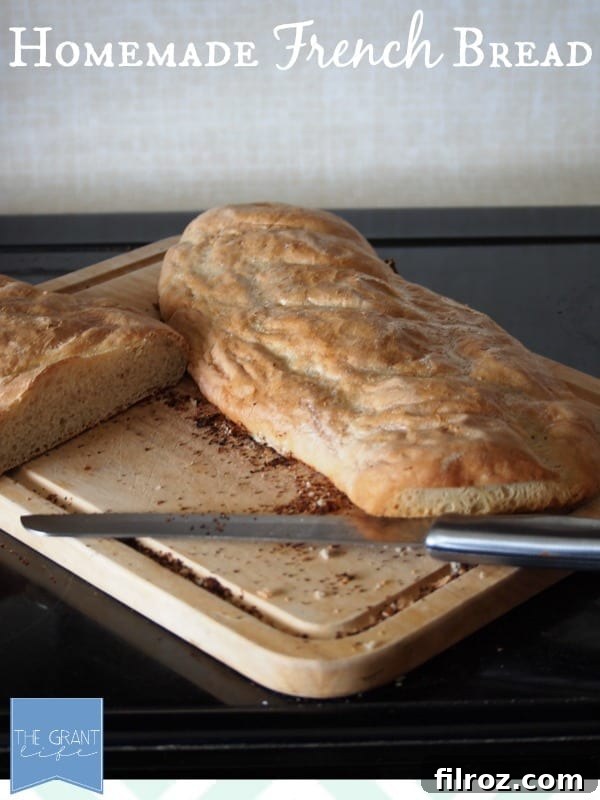
Mastering Homemade French Bread with Your KitchenAid Stand Mixer
The aroma of freshly baked bread is one of life’s simplest yet most profound pleasures. For years, the idea of baking my own bread seemed daunting, a culinary Everest I wasn’t sure I could conquer. That all changed with the arrival of a beautiful KitchenAid Stand Mixer this past Christmas. This magnificent appliance, a gift from my incredibly thoughtful (and perhaps a little mischievous) husband, has truly transformed my kitchen and my approach to home baking. He chose a rather dramatic unveiling, presenting the attachments first, then allowing hours of anticipation before revealing the main event – the mixer itself! But the wait was entirely worth it. I was, and frankly, still am, overjoyed to have such a powerful and versatile tool. It instantly earned a prime spot on my countertop, necessitating a complete kitchen rearrangement to honor its presence.
With my KitchenAid proudly displayed, I eagerly embarked on a journey of culinary exploration. Among the first creations to emerge from its gleaming bowl was this incredibly easy homemade French bread. Forget complicated techniques and endless kneading; this recipe proves that authentic, crusty French bread is entirely within reach for any home baker, especially with the assistance of a trusty stand mixer. Get ready to impress yourself and your loved ones with this delicious, surprisingly simple loaf!
Demystifying Bread Making: Your KitchenAid, Your Baking Ally
For many, the thought of baking bread conjures images of complex processes, sticky messes, and unpredictable results. I certainly shared that apprehension. Bread seemed to belong to the realm of professional bakers, a food too delicate and temperamental for a home cook like me. It was one of those recipes that always made me nervous to attempt, convinced it would inevitably end in disaster. However, the KitchenAid’s accompanying recipe book offered a straightforward approach that piqued my interest. While it lacked visual guidance, the clear instructions gave me the courage to finally roll up my sleeves and dive in one evening.
And what a revelation it was! That first attempt at homemade French bread wasn’t just a success; it was an absolute triumph. The satisfaction of pulling a warm, golden-brown loaf from the oven, filling my kitchen with that irresistible fresh-baked aroma, was unparalleled. Homemade bread has quickly become my new culinary obsession, a passion directly alongside my beloved KitchenAid stand mixer. This experience truly transformed my perception of baking, demonstrating that with the right tools and a simple recipe, even what seems like the most challenging dishes can be made accessible and incredibly rewarding.
Essential Ingredients for Your Easy Homemade French Bread
Crafting perfect French bread starts with a few basic, high-quality ingredients. You’ll find most of these staples readily available in your pantry, proving that gourmet taste doesn’t require exotic components. For this delightful recipe, gather the following:
- 2 packages active dry yeast: I personally prefer and recommend Fleischmann’s for its consistent performance, but any good quality active dry yeast will do. Ensure it’s fresh for optimal rise.
- 2 1/2 cups warm water: The temperature is crucial here. Aim for water between 105-115°F (40-46°C). This temperature activates the yeast without killing it.
- 1 tablespoon salt: Essential for flavor and controlling yeast activity. Don’t skimp on the salt, as it brings out the true taste of the bread.
- 1 tablespoon unsalted butter, softened: Adds a touch of richness and tenderness to the crumb. Ensure it’s softened to incorporate easily.
- 7 cups all-purpose flour: The foundation of your loaf. Have a little extra on hand for dusting your work surface.
- 1 large egg white: Used in the egg wash to achieve that signature golden, crusty exterior.
- 1 tablespoon cold water: Mixed with the egg white for the wash, it helps create a smooth, even glaze.
With these ingredients ready, you’re well on your way to creating bakery-quality French bread right in your own kitchen.
Step-by-Step Guide: Crafting Your Homemade French Bread Dough
This recipe is designed for simplicity, especially with the help of your KitchenAid stand mixer. Follow these steps carefully to create a perfectly pliable dough:
- Activate the Yeast: Begin by preparing your mixing bowl. Run it under warm water for a moment to slightly warm it, then add the 2.5 cups of warm water (remember, 105-115°F is ideal) and the two packages of active dry yeast. Stir gently with a spoon or whisk until the yeast is fully dissolved. Let it sit for about 5-10 minutes until a foamy layer appears on the surface, indicating the yeast is active and ready.
- Combine Dry Ingredients: Once the yeast is bubbly, add the tablespoon of salt, the softened tablespoon of butter, and all 7 cups of all-purpose flour directly into the mixing bowl with the yeast mixture.
- Mix with Your Stand Mixer: Attach the dough hook to your KitchenAid stand mixer. Begin mixing on a low speed (usually speed 2) for approximately 3 minutes. During this time, the ingredients will come together, forming a shaggy, somewhat sticky dough. Don’t be concerned if it looks a bit rough at this stage; it’s exactly how it should be. The mixer will do all the hard work, ensuring even distribution and initial gluten development.
- First Rise – The Bulk Fermentation: Lightly grease a large, clean bowl with a little oil. Transfer the sticky dough from your mixer into this greased bowl. Turn the dough over once, ensuring that the entire surface is lightly coated with oil. This prevents the dough from sticking to the bowl and keeps it from drying out.
- Proofing the Dough: Cover the bowl securely with a clean kitchen towel or plastic wrap. Place the bowl in a warm, draft-free spot in your kitchen. Let the dough rise for about 1 hour, or until it has visibly doubled in size. This crucial step, known as bulk fermentation, allows the yeast to work its magic, developing flavor and a light, airy texture.
These initial steps lay the groundwork for a fantastic loaf. The KitchenAid makes the mixing effortless, allowing you to focus on the magic of the yeast.
Shaping and Baking Your Masterpiece: Achieving the Perfect Golden Crust
Once your dough has completed its first rise, it’s time for shaping and the final bake. This is where your French bread truly begins to take its classic form:
- Punch Down and Divide: Once the dough has doubled in size, gently remove it from the bowl and place it on a lightly floured surface. Lightly punch it down to release the accumulated gases. This helps create a finer, more even crumb. Divide the dough into two equal halves.
- Shape the Loaves: Take one half of the dough and gently roll it out into a flat rectangle, roughly 14×10 inches in size. Starting from one of the longer sides, tightly roll up the dough, pinching the seam closed to create a secure loaf shape. Repeat with the second half of the dough.
- Prepare for Second Rise: Lightly grease a large baking sheet or line it with parchment paper. If you prefer a traditional rustic bottom, you can dust the baking sheet generously with cornmeal. Carefully transfer your two shaped loaves onto the prepared baking sheet, ensuring there’s enough space between them for expansion.
- Second Rise – Proofing: Cover the loaves again with a clean kitchen towel and let them rise for another hour in a warm, draft-free place. This second rise, or “proofing,” allows the loaves to become light and airy before baking. They should appear noticeably puffy.
- Preheat Oven and Prepare Egg Wash: While your loaves are undergoing their second rise, preheat your oven to a hot 450°F (232°C). In a small bowl, whisk together the egg white and 1 tablespoon of cold water with a fork until well combined. This egg wash is key for that beautiful, shiny, and crusty exterior.
- Score and Bake (Initial): After the second rise, use a very sharp knife or a specialized bread lame to make several diagonal slits (about 1/2 inch deep) across the top of each loaf. These cuts are not just for aesthetics; they allow steam to escape evenly and prevent the crust from tearing haphazardly. Place the loaves in the preheated oven and bake for 25 minutes.
- Egg Wash and Final Bake: Carefully remove the loaves from the oven after the initial 25 minutes. Brush the top of each loaf generously with the prepared egg white wash. Return the loaves to the oven and bake for an additional 10 minutes. This final bake will deepen the color, enhance the crispness of the crust, and ensure the bread is cooked through. The loaves should be a deep golden brown and sound hollow when tapped on the bottom.
- Cool and Enjoy: Once baked, immediately transfer the French bread loaves to a wire rack to cool completely. Allowing the bread to cool is crucial, as it continues to cook internally and improves texture. Once cooled, slice and savor your incredible homemade French bread!
The combination of proper rising, careful shaping, and a two-stage baking process with an egg wash will yield a French bread that boasts a delightfully crispy crust and a tender, flavorful interior.
The Rewarding Experience of Baking Your Own French Bread
I can confidently say that the first loaf of French bread I ever pulled from my oven was, without a doubt, the best bread I had ever tasted. And yes, a significant part of that incredible flavor and satisfaction came from the fact that I had made it myself. This recipe truly dispelled all my prior anxieties about bread baking. I genuinely couldn’t believe how easy it was to achieve such professional-looking and tasting French bread with a straightforward recipe and my trusty KitchenAid.
Since that initial success, homemade bread has become a regular feature in my kitchen. I’ve already invested in new bread cookbooks and ensured my pantry is perpetually stocked with flour, ready for the next baking adventure. The joy of creating something so fundamental and delicious from scratch is incredibly fulfilling. I’m eager to explore countless other bread recipes, from artisan loaves to sweet buns, and share my journey and discoveries with all of you. Consider this your friendly warning: get ready for a future filled with delightful homemade bread recipes!
This easy French bread recipe is perfect for beginners, proving that a baker’s magic isn’t reserved for the professionals. So go ahead, give it a try, and discover the unparalleled joy of baking your own bread at home. Your KitchenAid is waiting to become your new best friend in the kitchen!
Homemade French Bread Recipe
An incredibly simple and satisfying recipe for baking classic French bread right in your own kitchen, perfect for beginners and seasoned bakers alike.
Ingredients
- 2 packages active dry yeast (such as Fleischmann’s)
- 2 1/2 cups warm water (105-115°F or 40-46°C)
- 1 tablespoon salt
- 1 tablespoon unsalted butter, softened
- 7 cups all-purpose flour, plus more for dusting
- 1 large egg white
- 1 tablespoon cold water
Instructions
- Run your mixing bowl under warm water to pre-warm it. Add the 2 1/2 cups of warm water and the active dry yeast. Stir gently to dissolve the yeast completely. Let it sit for 5-10 minutes until foamy.
- Add the salt, softened butter, and 7 cups of all-purpose flour to the bowl with the yeast mixture.
- Attach the dough hook to your stand mixer and mix on a low speed for about 3 minutes until all ingredients are well combined and a sticky, shaggy dough forms.
- Lightly grease a large clean bowl. Transfer the dough to the greased bowl, turning it over once to ensure the entire surface is lightly coated with oil.
- Cover the bowl with a clean kitchen towel or plastic wrap and let the dough rise in a warm, draft-free place for about 1 hour, or until it has doubled in size.
- Once risen, gently punch down the dough to release the air. Transfer it to a lightly floured surface.
- Divide the dough into two equal halves. Roll each half into a flat rectangle, approximately 14×10 inches.
- Starting from a long side, tightly roll up each rectangle into a loaf shape. Pinch the seams and ends to seal them securely.
- Prepare a large baking sheet by greasing it or dusting generously with cornmeal (or line with parchment paper). Carefully place the two shaped loaves on the prepared baking sheet, leaving ample space between them.
- Cover the loaves again with a towel and let them rise for another hour, or until noticeably puffy.
- Preheat your oven to 450°F (232°C).
- Once the loaves have completed their second rise, use a sharp knife or a bread lame to make several diagonal slits (about 1/2 inch deep) across the top of each loaf.
- Bake the loaves in the preheated oven for 25 minutes.
- While the bread bakes, whisk together the egg white and 1 tablespoon of cold water with a fork to create an egg wash.
- After 25 minutes, carefully remove the loaves from the oven. Brush the top of each loaf generously with the egg white wash.
- Return the loaves to the oven and bake for an additional 10 minutes, or until the crust is deeply golden brown and sounds hollow when tapped.
- Remove from the oven and transfer the French bread loaves to a wire rack to cool completely before slicing and serving. Enjoy your delicious, homemade creation!
Notes
This recipe has been adapted from the KitchenAid instruction manual, incorporating personal tips and insights for optimal home baking results.
Explore More Easy Homemade Recipes
If you loved making this French bread, you’ll surely enjoy these other simple and delicious homemade recipes from our kitchen:
- Roasted Red Pepper and Artichoke Hummus: A Flavorful Dip
- Easy Homemade Beer Bread: An Effortless Loaf for Any Occasion
Stay Connected for More Delicious Recipes!
Don’t miss out on new, easy-to-follow recipes, baking tips, and culinary inspiration! Sign up for our newsletter to receive free, delicious recipes directly in your inbox.