
Unlock the secret to incredibly soft, warm, and flavorful bread right in your own kitchen! Naan, a beloved Indian flatbread, is surprisingly simple to make from scratch, and the results are infinitely more delicious than anything store-bought. This quick and easy dinner recipe enhancer is not just a side; it’s an experience to create and savor. With just a few basic ingredients like flour, yeast, and a secret ingredient – Greek yogurt – you’re on your way to crafting a batch of perfect homemade naan bread. Let’s dive into the delightful process of making this versatile flatbread!

There’s something truly satisfying about baking homemade bread. For many, the idea of working with yeast and dough can seem intimidating at first. I certainly felt that way when I began my culinary journey. The fear of failure and wasted ingredients kept me from attempting bread recipes for years. However, a desire for fresh, wholesome food eventually pushed me to conquer that fear. I took the leap, and though my initial attempts at homemade bread might not have won any beauty contests, their incredible taste was all the encouragement I needed to continue.
From rustic French bread to classic white bread, and even savory cornbread, my confidence grew with each successful batch. It was a natural progression, then, to explore the world of flatbreads, and naan quickly became a cherished favorite. The joy of pulling a warm, puffy naan from the skillet is unmatched, and I promise, with this recipe, you’ll experience that joy too.
What is Naan Bread? A Culinary Journey to Soft, Pillowy Perfection
Naan is an exquisite leavened flatbread, a staple of Indian cuisine that has captured hearts worldwide. Traditionally baked in a tandoor (a clay oven), its signature soft, chewy interior and slightly charred, crisp exterior are truly unique. Our homemade version brilliantly replicates this texture using a simple hot skillet. Imagine a delightful cross between a thin, pliable tortilla and a thicker, airy pita bread – that’s the magic of naan!
Unlike many other flatbreads, naan typically incorporates yogurt or milk, which contributes to its distinct tangy flavor and incredibly tender, pillowy crumb. The yeast gives it its characteristic rise, forming beautiful bubbles as it cooks. When cooked on a scorching hot surface, these bubbles expand, creating those irresistible pockets of air and a beautifully blistered crust. It’s truly a bread lover’s dream come true, offering a perfect balance of softness, chewiness, and a subtle tang.
The best way to enjoy naan, in my opinion, is fresh off the skillet, brushed generously with melted butter and sprinkled with your favorite herbs or a versatile seasoning blend. Its robust yet delicate flavor makes it an ideal accompaniment to a myriad of dishes, whether it’s for scooping up a rich curry, cradling fillings for tacos or gyros, or simply enjoying on its own.

Essential Ingredients for Perfect Homemade Naan
Crafting this incredible flatbread requires a few straightforward ingredients, most of which you likely already have in your pantry. The more “specialized” items would be yeast and Greek yogurt, both readily available at any grocery store. Gathering your ingredients before you begin ensures a smooth and enjoyable baking process. To make the best homemade naan, you will need:
- 1 teaspoon active dry yeast
- 1 tablespoon granulated sugar
- 1/4 cup hot water (ideally around 105-115°F or 40-46°C)
- 4 cups all-purpose flour (plus extra for dusting)
- 1/4 teaspoon fine sea salt
- 1 teaspoon baking soda
- 1 1/2 teaspoon baking powder
- 3/4 cup warm milk (around 95-105°F or 35-40°C)
- 1 cup plain Greek yogurt
- Softened or melted unsalted butter, for brushing
- Your choice of fresh herbs (like cilantro) or spices (garlic powder, chili flakes) for topping
Active Dry Yeast: The Heart of the Rise – Don’t be daunted by yeast! This recipe is an excellent starting point for beginner bread makers. Active dry yeast is what gives naan its characteristic airy, bubbly texture. You’ll need just one teaspoon, so if you buy a packet, you’ll have plenty left for future baking adventures. Always ensure your yeast is fresh; old or inactive yeast will result in dense naan. Proofing the yeast (as detailed in the steps) is crucial to ensure it’s alive and ready to work its magic.
Sugar: Fuel for the Yeast – Granulated sugar isn’t just for sweetness here; it’s vital food for the yeast. The yeast consumes the sugar, producing carbon dioxide gas which helps the dough to rise and develop its light texture. Plain white granulated sugar or coconut sugar will both work effectively.
Flour: The Foundation – All-purpose flour is perfect for this recipe, yielding a tender yet chewy naan. I’ve also successfully experimented with gluten-free flour blends, though results may vary slightly in texture. You’ll need the specified amount for the dough, plus a little extra for dusting your work surface and hands during shaping.
Warm Milk: Enhancing Tenderness – Milk contributes to the softness and richness of the naan. Warming it slightly helps activate the yeast and blends seamlessly into the dough. While I haven’t personally tested plant-based alternatives like almond or coconut milk for this specific recipe, they might work, but could subtly alter the flavor and texture. Ensure the milk is warm, not hot, to avoid killing the yeast.
Greek Yogurt: The Secret to Supreme Softness – This is the star ingredient that truly sets homemade naan apart. Greek yogurt’s acidity helps break down gluten, resulting in an incredibly soft, tender, and slightly tangy naan. It also adds moisture and richness to the dough. If you don’t typically consume Greek yogurt, grab a couple of small individual containers – it’s worth it for this recipe!
Baking Soda & Baking Powder: The Dynamic Duo for Extra Lift – While yeast does most of the heavy lifting, baking soda and baking powder provide an extra boost of leavening, contributing to naan’s signature airy bubbles and ensuring a truly light texture, especially when cooked on a skillet where rise time is quick.
Salt: Flavor Balancer – A small amount of salt is crucial for enhancing the overall flavor of the naan and balancing the sweetness from the sugar. It also plays a role in regulating yeast activity.
Butter & Toppings: The Finishing Touch – Brushing the hot naan with melted butter adds richness and shine. Don’t skip this step! Fresh herbs like chopped cilantro, minced garlic, or a sprinkle of flaky sea salt or your favorite spice blend elevate the flavor profile even further.
How to Make Delicious Homemade Naan Bread: A Step-by-Step Guide
Before you begin the magic, ensure you have all your ingredients measured and ready. You’ll also need a few basic kitchen tools:
- Large mixing bowls (at least two)
- A sturdy wooden spatula or spoon
- A rolling pin
- A cast iron skillet or heavy-bottomed frying pan
Now, let’s get baking!
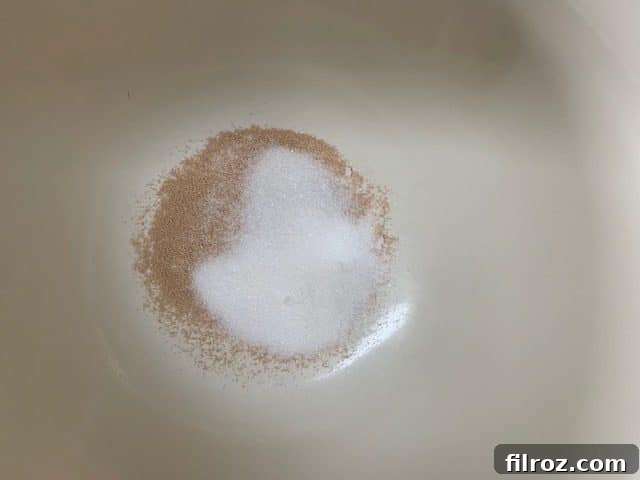
Step 1: Activate the Yeast. In a medium-sized bowl, combine the active dry yeast and granulated sugar. Pour the hot water (ensure it’s not boiling, just comfortably warm to the touch, around 105-115°F) over the mixture. Stir gently to dissolve the sugar and distribute the yeast. Let this mixture sit undisturbed for 5-10 minutes. You’ll know your yeast is active and healthy when a foamy layer forms on top, and it emits a pleasant, yeasty aroma. This “proofing” step is crucial for light and airy naan.
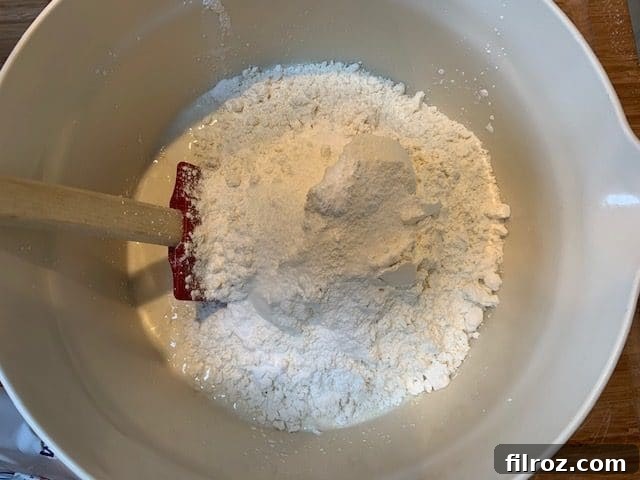
Step 2: Prepare the Dry Ingredients. While your yeast is proofing, grab a separate large mixing bowl. Add the all-purpose flour, fine sea salt, baking soda, and baking powder. Whisk them together thoroughly until all ingredients are well combined. This ensures even distribution of the leavening agents and seasoning throughout your dough.
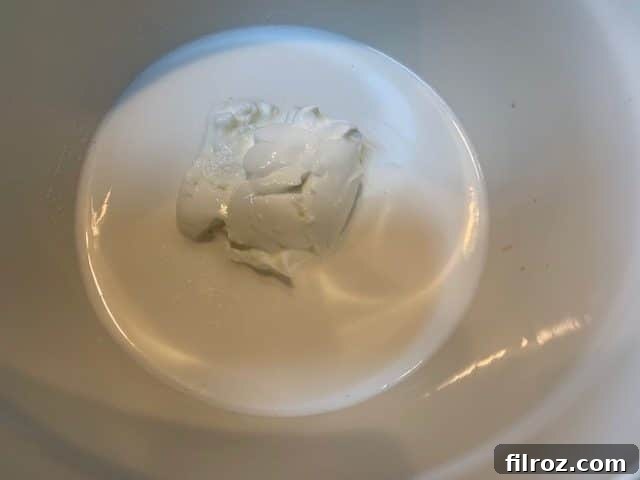
Step 3: Combine Wet Ingredients. Once your yeast mixture is foamy, add the warm milk and Greek yogurt to that same bowl. Stir everything together until well combined. Don’t worry if the mixture isn’t perfectly smooth at this stage; it will come together more completely when mixed with the flour.
Step 4: Form the Dough and First Rise. Pour the wet ingredient mixture into the bowl containing your dry ingredients. Use a wooden spoon or spatula to mix until a shaggy dough begins to form. Once it’s too thick to stir, turn the dough out onto a lightly floured surface or continue in the bowl and use your hands to gently knead it for 2-3 minutes, shaping it into a smooth ball. The dough should be soft and slightly tacky, but not overly sticky. Lightly grease the mixing bowl you used for the wet ingredients, place the dough ball inside, turning it once to coat. Cover the bowl with a clean kitchen towel or plastic wrap and allow the dough to rise in a warm place for about 1 hour, or until it has roughly doubled in size. A warm oven (turned off, but slightly preheated) or a sunny spot on your counter works perfectly.
Step 5: Divide the Dough and Preheat Skillet. Once the dough has beautifully risen, gently scoop it out onto a lightly floured surface. Using your fists, gently “punch it down” to release the air. Divide the dough into 8 equal portions. Roll each portion into a smooth, tight ball. While you’re doing this, place a cast iron skillet or heavy-bottomed frying pan over medium-high heat. Allow it to preheat for several minutes until it’s very hot – this high heat is essential for creating those classic naan blisters.
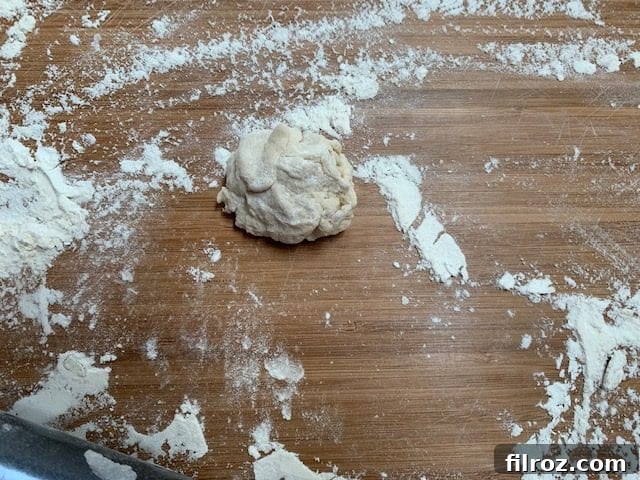
Step 6: Roll Out the Naan. Take one of the dough balls and, on your lightly floured surface, use a rolling pin to roll it into an oval or round shape, about 1/8 to 1/4 inch thick. Don’t roll them too thick, as they will puff up significantly during cooking. Aim for an even thickness to ensure consistent cooking. Repeat this for each dough ball, keeping them covered with a towel while you work to prevent them from drying out.
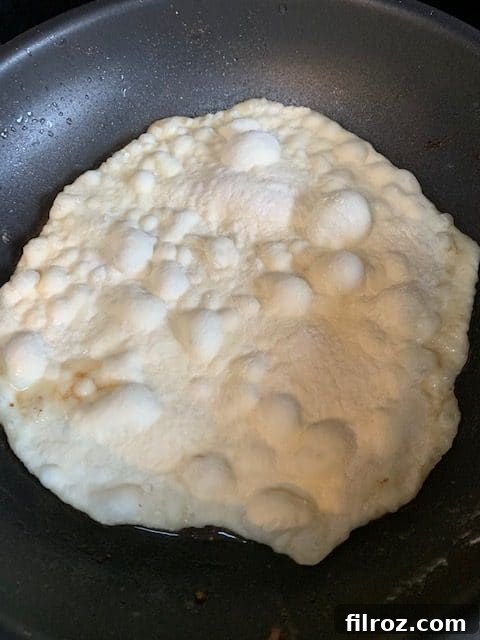
Step 7: Cook the Naan. Lightly brush one side of the rolled-out dough with a little softened or melted butter. Carefully place the buttered side down onto the hot, dry skillet. Cook for about 30 seconds to 1 minute, or until large bubbles start to form on the surface and the underside is golden brown with some darker, charred spots. Flip the naan over and cook for another 30 seconds to 1 minute on the second side, until it’s also golden brown and puffy. You might see some beautiful charring, which adds to the authentic flavor.

Step 8: Finish and Serve. As soon as you remove the cooked naan from the skillet, brush it generously with more melted butter. This not only adds flavor but also keeps the naan soft and pliable. Immediately sprinkle with your chosen herbs or spices – freshly chopped cilantro, garlic powder, or even a dash of flaky sea salt are wonderful options. Stack the cooked naan on a plate and keep it covered with a clean kitchen towel to keep it warm and soft while you cook the remaining pieces. Serve immediately and enjoy!
Storage and Reheating Your Homemade Naan
One of the best things about homemade naan is its incredible freshness, but sometimes you might have leftovers – or you might want to make a big batch to enjoy throughout the week. Properly storing and reheating naan ensures you can savor its deliciousness later.
For short-term storage, place leftover naan in an airtight container or a resealable plastic bag. You can keep it on the counter for up to 2 days for maximum softness, or in the refrigerator for up to 4-5 days. While refrigeration extends its shelf life, naan tends to firm up slightly in the cold. To reheat, a microwave can quickly warm it, but for best results, a toaster oven or a warm skillet will restore some of its crispness and chewiness.
Can I freeze homemade naan? Absolutely! Naan freezes beautifully, making it an excellent option for meal prepping. To freeze, allow the cooked naan to cool completely. Then, stack the pieces with sheets of parchment paper in between each layer to prevent sticking. Place the stack into a freezer-safe plastic bag or airtight container. It will keep well in the freezer for up to 3 months. To reheat from frozen, you can thaw it in the refrigerator overnight or on the counter for a few hours. Once thawed, warm it in a microwave, toaster, or on a skillet until soft and pliable. A few minutes in a hot oven (around 350°F / 175°C) also works wonders to bring it back to life!

Delicious Main Dish Ideas to Pair with Naan Bread
The versatility of naan bread makes it an incredible companion to a wide array of dishes. Its soft, absorbent texture and subtle flavor allow it to complement both rich and light meals beautifully. Here are some fantastic main dish ideas that pair wonderfully with your homemade naan:
- Korean Lettuce Wraps: Use naan as a heartier, more satisfying wrapper for flavorful Korean beef, adding a delightful chewiness to each bite.
- Sticky Chicken Thighs: The sweet and savory glaze of sticky chicken thighs is perfectly sopped up by warm naan, making for a truly comforting meal.
- Mississippi Roast: The tender, rich, and savory flavors of Mississippi roast are fantastic when served alongside naan, which can absorb all the delicious juices.
- Carnitas Bowls: Instead of tortillas, use fresh naan to scoop up juicy carnitas, rice, beans, and your favorite toppings for a unique and incredibly tasty twist on taco night.
- Classic Curries and Stews: Naan is the quintessential partner for any Indian curry, lentil dal, or hearty stew. Its ability to soak up sauces is unparalleled.
- Hummus and Dips: Serve warm naan torn into pieces for dipping into creamy hummus, baba ghanoush, or your favorite savory spreads.
- Mini Pizzas: Use naan as a quick and easy base for personal pizzas! Top with tomato sauce, cheese, and your favorite toppings, then bake until bubbly.
- Gyros and Wraps: Fill warm naan with marinated meats (like chicken or lamb), fresh vegetables, and a creamy tzatziki or yogurt sauce for an elevated homemade gyro experience.
No matter how you choose to enjoy it, homemade naan bread elevates any meal to something truly special. Enjoy the process, and savor every fluffy, flavorful bite!

Homemade Naan
Ingredients
- 1 teaspoon active yeast
- 1 tablespoon sugar
- 1/4 cup hot water
- 4 cups all-purpose flour
- 1/4 teaspoon fine sea salt
- 1 teaspoon baking soda
- 1 1/2 teaspoon baking powder
- 3/4 cup warm milk
- 1 cup plain Greek yogurt
- Softened or melted unsalted butter for brushing
- Fresh herbs or spices for topping
Instructions
- To start, add the sugar and active dry yeast to a small bowl. Pour the hot water over and stir to combine. Allow it to sit for about 5-10 minutes, or until it becomes foamy and fragrant, indicating the yeast is active.
- While the yeast is proofing, mix together the all-purpose flour, fine sea salt, baking soda, and baking powder in a separate large bowl until well combined.
- Once the yeast mixture is foamy, pour the warm milk and Greek yogurt into the bowl with the yeast. Stir gently to combine all the wet ingredients.
- Pour the combined wet ingredients into the bowl with the dry ingredients. Use a wooden spoon to mix everything until a shaggy dough forms. Then, use your hands to gently knead the mixture for a few minutes until it forms a cohesive, soft ball.
- Lightly grease the mixing bowl, place the dough ball inside, turning once to coat. Cover the bowl with a clean kitchen towel or plastic wrap and let the dough rise in a warm spot for 1 hour, or until it has doubled in size.
- After the dough has risen, gently remove it onto a lightly floured surface and punch it down to release the air.
- Preheat a cast iron skillet or heavy-bottomed frying pan over medium-high heat. Allow it to get very hot.
- Divide the dough into 8 equal small balls.
- Take each ball of dough and, using a rolling pin on a lightly floured surface, roll it out into a thin oval or round shape, about 1/8 to 1/4 inch thick.
- Lightly brush one side of the rolled-out dough with softened or melted butter.
- Place the buttered side down onto the hot skillet. Cook for about 30 seconds to 1 minute on each side, or until large bubbles form on the surface and the naan develops golden brown, slightly charred spots.
- Remove the cooked naan from the skillet, brush immediately with more melted butter, and sprinkle with your chosen herbs or spices.
- Repeat the rolling, brushing, and cooking process for all 8 dough balls, stacking the cooked naan and keeping it covered with a towel to maintain warmth and softness.
- Serve warm and enjoy your delicious homemade naan!