What to Do When Your Child Hits Their Head: A Comprehensive Parent’s Guide
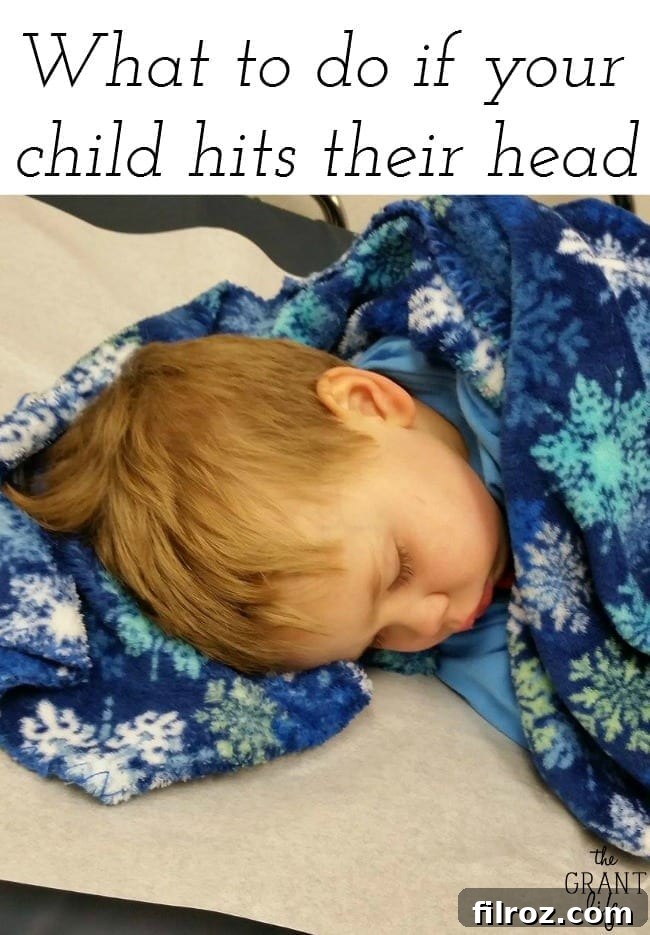
Few things are as alarming for a parent as watching their child fall and hit their head. The immediate panic, the sound, the sight of a new bump or bruise – it’s a moment that can make any parent’s heart race. I’ve been there myself. Just last month, my son, Avery, had a scary slip on a toy that resulted in a pretty hard head bump. We ended up at the emergency room, and while everything turned out okay, the experience was a stark reminder of how important it is to know what steps to take. Having my mom there to help assess the situation was a huge comfort, but it made me realize how overwhelming it could be for a parent alone. This guide is designed to empower you with practical advice and crucial information, so you feel more prepared should your little one experience a head injury.
Disclaimer: I am not a medical professional. The information shared here is based on personal experience, research, and insights gained from medical professionals during our ER visit. It is intended as practical advice from one parent to another, not a substitute for professional medical care. In any serious situation, always consult a doctor or seek immediate medical attention.
Immediate Steps: What to Do in the First Moments After a Head Bump
When your child takes a tumble and hits their head, your immediate reaction can significantly influence how you handle the situation. Staying calm is paramount, not just for your own clarity but also for your child’s emotional well-being.
1. Stay Calm and Reassure Your Child
Children often mirror their parents’ emotions. If you panic, they are more likely to become distressed, which can make assessing their condition much harder. Take a deep breath. Speak in a soothing voice, offer comfort, and reassure them that you’re there to help. This immediate comfort can help them calm down enough for you to check for injuries.
2. Assess the Injury Site
Once your child is somewhat calm, gently examine the area where they hit their head. Look for:
- Bumps or Swelling: A common reaction to a head injury is a “goose egg” bump. These are often superficial and can look worse than they are. However, note the size and firmness.
- Cuts or Lacerations: Check for any breaks in the skin. Even small cuts on the scalp can bleed a lot due to the rich blood supply. Apply direct pressure to any bleeding.
- Bruising: Bruises might appear immediately or develop over several hours.
- Soft Spots (Fontanelles) in Infants: For babies, check their soft spots. A bulging or sunken fontanelle can be a sign of a more serious issue and warrants immediate medical attention.
- Deformity: Look for any unusual shape or indentation, which could indicate a more serious skull injury.
3. Apply a Cold Compress
For bumps and bruises without open wounds, applying a cold compress or ice pack wrapped in a cloth can help reduce swelling and pain. Hold it on the affected area for 10-20 minutes at a time, taking breaks to prevent frostbite. This simple first aid step can provide significant relief for your child.
Comprehensive Monitoring: Recognizing Concerning Symptoms
After the initial shock and first aid, the most crucial step is vigilant monitoring. Many head injuries are minor, but some can lead to more serious conditions like concussions or internal bleeding. Knowing what signs to look for is essential for determining if and when to seek professional medical help.
4. The Importance of Staying Awake and Observing for Concussion Symptoms
The old advice about keeping a child awake after a head injury often causes confusion. It’s not necessarily about preventing them from sleeping altogether, but rather about ensuring they don’t lose consciousness or become abnormally lethargic. You need to monitor them closely for at least 1-2 hours after the fall, especially for signs of a concussion. If the fall happens close to bedtime, you may need to wake them every couple of hours to check their responsiveness. This helps you distinguish normal sleepiness from concerning lethargy or loss of consciousness.
Signs of a Concussion to Watch For:
- Loss of Consciousness: Even a brief loss of consciousness is a red flag.
- Drowsiness or Lethargy: Unusual sleepiness, difficulty waking them, or an inability to stay awake.
- Irritability or Behavioral Changes: Unexplained fussiness, extreme emotional swings, or a significant change in personality.
- Memory Issues: Difficulty remembering the event, repetitive questioning, or confusion about recent events.
- Sensitivity to Light or Sound: Complaining that lights are too bright or sounds are too loud.
- Balance Problems: Dizziness, unsteadiness, or difficulty walking.
5. Observe for Nausea and Vomiting
Nausea and vomiting are common symptoms following a head injury and can be particularly concerning. While one instance of vomiting might be due to crying or upset, repeated vomiting or persistent nausea should be taken seriously. This can be a sign of increased pressure within the skull, indicating a more severe injury. If your child throws up more than once, or if the vomiting is forceful, seek immediate medical attention.
6. Evaluate Speech and Communication
Pay close attention to your child’s speech and ability to communicate. After a head injury, normal speech is a good sign. However, if you notice:
- Slurred Speech: Their words are unclear or mumbled.
- Confusion: They seem disoriented, don’t understand simple questions, or give illogical answers.
- Repetitive Questioning: They ask the same questions over and over again.
- Difficulty Finding Words: They struggle to articulate what they want to say.
These are all potential indicators of a neurological issue and warrant medical evaluation.
7. Check Eye Function
The eyes can provide valuable clues about a head injury. Observe the following:
- Pupil Size and Reactivity: Check if both pupils are the same size and react equally to light. Unequal pupil size or pupils that don’t respond to light are serious red flags.
- Ability to Track: Ask your child to follow your finger or a small light as you move it from side to side and up and down. Difficulty tracking or uncontrolled eye movements can be concerning.
- Vision Changes: Ask older children if they are experiencing blurry vision, double vision, or loss of vision.
8. Assess Motor Skills and Balance
Observe your child’s coordination and balance. If they were walking before the fall, have them try to walk again (if they are old enough). Look for:
- Loss of Balance: Are they stumbling, swaying, or unable to walk in a straight line?
- Weakness or Numbness: Do they complain of weakness or numbness in any limb?
- Uncoordinated Movements: Are their movements clumsy or uncoordinated?
Any significant change in their motor skills after a head injury should prompt a call to your doctor.
9. Persistent Headaches or Dizziness
It’s common for children to complain of a headache or feel a little dizzy after hitting their head. However, it’s the persistence and severity of these symptoms that matter. If the headache:
- Worsens over time.
- Does not go away with mild pain relievers (like acetaminophen or ibuprofen).
- Is accompanied by repeated vomiting, confusion, or drowsiness.
And if dizziness is severe, constant, or accompanied by other neurological symptoms, seek medical advice immediately.
10. Behavioral Changes
Be watchful for any unusual changes in your child’s behavior. This could manifest as excessive crying that cannot be consoled, increased irritability, disinterest in their favorite activities, or an unusual quietness. Any significant deviation from their normal behavior following a head injury should be noted and discussed with a doctor.
11. Seizures
Although rare, a seizure following a head injury is a serious medical emergency. Signs of a seizure can include uncontrolled shaking, staring spells, or loss of consciousness. If your child experiences a seizure, call emergency services immediately.
When to Seek Professional Medical Help
Deciding when to call the doctor versus heading straight to the emergency room can be confusing. Here’s a breakdown to help you make an informed decision.
12. Contact Your Pediatrician
If you’re unsure about the severity of the injury, if your child exhibits some mild symptoms that aren’t immediately alarming but still concern you, or if you simply need reassurance, calling your pediatrician is always a good first step. They know your child’s medical history and can provide personalized advice based on their symptoms. They might advise you to monitor at home, bring your child to their office, or head to the ER.
13. Head to the Emergency Room Immediately
Do not hesitate to go to the ER if your child displays any of the following “red flag” symptoms:
- Loss of consciousness, even for a brief moment.
- Repeated vomiting or persistent nausea.
- A seizure.
- Severe, worsening headache.
- Confusion, disorientation, slurred speech, or difficulty recognizing people.
- Weakness or numbness in any part of the body.
- Clear fluid or blood draining from the ears or nose.
- Unequal pupil size or other vision changes.
- Significant changes in behavior or personality.
- Difficulty walking, balancing, or loss of coordination.
- An open wound that is deep, bleeding heavily, or appears to expose bone.
- A soft spot (fontanelle) that is bulging in an infant.
- Any symptom that causes you significant concern or if your parental instinct tells you something is wrong.
My Personal Experience: Avery’s Journey to the ER
Our experience with Avery perfectly illustrates why trusting your gut is so important. When he first hit his head, he had a noticeable bump but was walking and talking normally. Since it was close to bedtime, he was a bit sleepy, but we couldn’t tell if it was normal pre-sleep lethargy or something more concerning. We decided to monitor him closely. However, about an hour or so later, he started throwing up. He threw up twice, and at that point, I knew something wasn’t right. Despite him being otherwise seemingly okay, the repeated vomiting was a critical red flag.
I called his pediatrician, who confirmed that if the vomiting continued, we should head to the ER immediately. It did, so we quickly packed up both kids and made the trip. The decision to go was stressful, but it ultimately gave us peace of mind.
What to Expect at the Emergency Room
Upon arrival at the ER, the staff was incredibly friendly and took Avery’s injury very seriously. We were reassured when they informed us that we would be seen directly by the attending physician, not just a nurse practitioner, a sign that they considered the head injury potentially significant. We were taken back to an exam room quite quickly.
At the ER, you can expect the medical team to:
- Assess Vitals: Check heart rate, blood pressure, and oxygen levels.
- Perform a Neurological Exam: This will include checking alertness, reflexes, eye movements, pupil reactions, balance, and cognitive function.
- Ask Detailed Questions: Be prepared to answer questions about how the injury occurred, specific symptoms, when they started, and any changes you’ve observed.
- Consider Imaging: Depending on the assessment, the doctor might order a CT scan of the head to look for internal bleeding, skull fractures, or other brain injuries.
- Observation: In some cases, especially if symptoms are mild but concerning, they may decide to keep your child for a period of observation to monitor for any changes.
Even though Avery was ultimately fine, I am so glad we took him in. Having him thoroughly checked by professionals, who confirmed he was okay, was invaluable. It removed the gnawing worry and allowed us to rest easy.
Preventing Head Injuries: A Proactive Approach
While accidents happen, there are many steps parents can take to minimize the risk of head injuries in children:
1. Childproof Your Home
For infants and toddlers, rigorous childproofing is key. Install safety gates at the top and bottom of stairs, use corner guards on sharp furniture, and secure heavy furniture to walls to prevent tipping. Keep floors clear of clutter, toys, and electrical cords to reduce tripping hazards.
2. Encourage Safe Play
Teach older children about safe play practices. Supervise them closely, especially when they are playing on playgrounds or engaging in activities that carry a higher risk of falls. Ensure play equipment is well-maintained and has appropriate soft surfacing underneath.
3. Use Protective Gear
Always ensure your child wears appropriate protective gear during sports and recreational activities. This includes helmets for biking, scootering, skateboarding, skiing, snowboarding, and contact sports. Make sure helmets fit properly and are worn correctly.
Conclusion
Childhood is full of bumps and bruises, and head injuries, while scary, are a common part of growing up. Most are minor and resolve without serious complications. However, knowing the signs and symptoms that indicate a more serious injury is crucial for every parent. Stay calm, assess the situation, monitor diligently, and most importantly, trust your parental instincts. If you ever feel concerned or unsure, don’t hesitate to call your pediatrician or head to the emergency room. It’s always better to be safe than sorry when it comes to your child’s health and well-being.