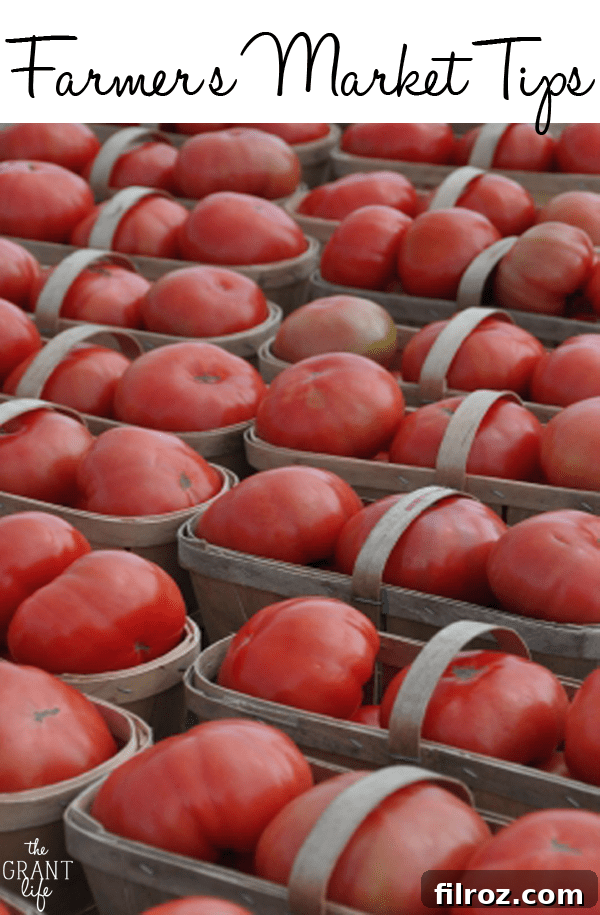
Mastering the Farmers’ Market: Essential Tips for Fresh Produce and Local Delights
Living in the heart of South Texas offers a unique culinary advantage: an incredibly long and generous growing season. Unlike many regions bundled in snow for months, our mild winters allow for a continuous bounty of seasonal vegetation. This agricultural blessing means our local farmers’ markets thrive year-round, providing a consistent source of vibrant, farm-fresh produce that simply can’t be matched by conventional grocery stores.
For me, the weekly trip to the farmers’ market has become a cherished ritual with my children. There’s an unparalleled joy in selecting ingredients straight from the earth, knowing they’ve been harvested with care and passion by local growers. Beyond the superior taste and nutritional value, these visits spark endless culinary inspiration. Just browsing the colorful displays of fruits and vegetables often leads to exciting new recipe ideas, like a delightful leek and asparagus pasta that became an instant family favorite. It’s a dream of mine, perhaps a little ambitious, to one day contribute to this vibrant community by selling my own homegrown produce. Until then, I’m passionate about helping others navigate the wonderful world of farmers’ markets. Here are my top tips to ensure you always pick the freshest, highest-quality produce for your family, while embracing the full farmers’ market experience.
Unlock the Best of Your Local Farmers’ Market: Insider Tips for Smart Shopping
A visit to the farmers’ market is more than just a shopping trip; it’s an immersion into local agriculture, a chance to connect with your food source, and an opportunity to savor peak-season flavors. To make the most of this rewarding experience, consider these essential strategies that will elevate your market visits from simple errands to a delightful culinary adventure.
1. Understand Local Pricing and Value
One of the first things savvy shoppers learn is that farmers’ market prices can vary significantly from those at a conventional grocery store. While the desire to support local family farms is strong, it’s wise to have a basic understanding of market prices for common items. For example, you might find leeks at a more competitive price at the market due to direct-from-farm sales and fewer intermediaries. Conversely, certain items like organic broccoli might carry a higher price tag compared to large supermarkets. This difference often reflects the smaller scale of production, sustainable farming practices, superior freshness, and the labor involved in bringing specialty or organic produce directly to you. It’s not about paying double unnecessarily, but rather recognizing the true value of quality, freshness, and community support. Do a quick mental check on a few staple items you regularly buy, and you’ll quickly learn where to prioritize your farmers’ market spending for the best value and quality. Sometimes the slightly higher price is a direct investment in unparalleled taste and ethical sourcing.
2. Arrive Early for the Prime Selection
The adage “the early bird catches the worm” couldn’t be more true for farmers’ markets. The freshest, most sought-after produce – think plump berries, crisp greens, unique heirloom varieties, and specialty cuts of meat – often sells out quickly, especially from popular vendors. To secure the cream of the crop, plan to arrive shortly after the market opens. This not only guarantees you access to the widest selection but also means you’re more likely to find produce at its absolute peak of freshness. Additionally, arriving early often means fewer crowds, allowing for a more relaxed shopping experience and the chance to chat with farmers before they get too busy. If an early start isn’t possible, don’t despair! Visiting closer to closing time can sometimes yield discounted prices as vendors look to clear their inventory, though the selection might be more limited to heartier vegetables.
3. Be Prepared with Reusable Bags
Embracing sustainability is a core tenet of the farmers’ market philosophy, and bringing your own reusable bags is a simple yet impactful way to contribute. Many vendors, especially smaller operations, may not have an abundance of plastic bags on hand, or they might charge for them. Arming yourself with a sturdy collection of reusable totes not only makes carrying your purchases significantly easier but also helps reduce plastic waste. Consider bringing different sizes – smaller ones for delicate items like berries or cherry tomatoes, and larger, insulated bags for heavier vegetables or to keep items like greens and dairy cool on warm days. It’s a small effort that enhances your shopping experience, supports eco-conscious practices, and helps keep your precious produce in pristine condition until you get home.
4. Carry Cash for Convenience and Support
While technology has made inroads into farmers’ markets, cash remains king for many vendors. You might find that only a handful of sellers are equipped with credit card machines, and even those who are often prefer cash to avoid the transaction fees that cut into their profits. Having a good amount of small bills on hand ensures smooth transactions, quicker checkout times, and is a direct gesture of support for the farmers who rely on every sale. It also prevents the frustration of finding your dream produce only to realize your preferred payment method isn’t accepted. Before you head out, withdraw enough cash to cover your anticipated purchases, and perhaps a little extra for an unexpected find or a delicious snack. While some markets are increasingly cashless, it’s always safer and often more appreciated to have cash as a primary payment option.
5. Understand the Shorter Shelf Life and Plan Accordingly
One of the key differences between farmers’ market produce and its grocery store counterpart is its shelf life. Farm-fresh, homegrown fruits and vegetables typically have a shorter window of freshness because they are often harvested just hours before sale, without the waxes, preservatives, or long-distance travel often associated with supermarket items. This means you’re getting peak flavor and nutrients, but it also means you need to be mindful of how quickly you’ll use them. Plan your meals for the week around your farmers’ market haul, prioritizing more delicate items for earlier consumption. For items you can’t consume immediately, consider various preservation methods like freezing berries and corn, canning tomatoes or pickles, or dehydrating herbs and fruits. It’s a rewarding way to extend the season’s bounty and prevents the disappointment of seeing your fresh goodies spoil before you can enjoy them.
6. Engage with the Farmers and Growers
One of the most enriching aspects of visiting a farmers’ market is the opportunity to interact directly with the people who grow your food. Don’t be shy! Ask them about their farming practices – are they organic, biodynamic, or conventional? Inquire about the best ways to store specific produce, their favorite recipes, or even how they manage pests. This direct line of communication not only educates you about where your food comes from but also helps you build a connection with your local community. Farmers often have a wealth of knowledge and are passionate about sharing it. These conversations can lead to discovering new varieties, gaining invaluable cooking tips, and fostering a deeper appreciation for the effort behind your meals. Building rapport can even lead to special recommendations or the inside scoop on upcoming harvests.
7. Embrace Seasonal Surprises and Flexibility
While it’s good to have an idea of what you need, approach the farmers’ market with an open mind and a flexible shopping list. The availability of produce is dictated by the seasons and what the local land is yielding, which can sometimes differ from your grocery store’s year-round selection. Be prepared to discover new varieties of vegetables or fruits you’ve never tried before. A farmer might introduce you to an unusual squash or a vibrant heirloom tomato. This spontaneity is part of the charm! Let the market guide you; if a particular fruit or vegetable looks exceptionally fresh and appealing, consider swapping it for something on your original list. This adaptability allows you to fully experience the unique bounty of each week and encourages culinary creativity, leading to exciting new dishes in your kitchen.
8. Dress Comfortably and Be Prepared for the Elements
Farmers’ markets are typically outdoor events, so dressing appropriately is crucial for a comfortable and enjoyable experience. Wear comfortable walking shoes, as you’ll likely be doing a fair amount of strolling from stall to stall. Depending on the weather, consider a wide-brimmed hat and sunscreen for sunny days, or layers and an umbrella if there’s a chance of rain. Remember, the market goes on, rain or shine! Being prepared for the elements ensures you can take your time browsing, engaging with vendors, and making your selections without discomfort. A comfortable shopper is a happy shopper, and a happy shopper is more likely to make thoughtful, enjoyable purchases, truly immersing themselves in the market’s vibrant atmosphere.
9. Make It a Family Affair
The farmers’ market offers an incredible educational opportunity for children of all ages. Bring them along and turn it into an engaging outing. Let them pick out a fruit or vegetable they’d like to try, learn about different types of produce, and even interact with the farmers who grew it. This hands-on experience can help children understand where their food comes from, foster a healthier relationship with eating, and expose them to new flavors and textures. It’s a wonderful way to teach them about seasonality, local economies, and the importance of fresh, wholesome ingredients. Many markets also feature live music, food trucks, or activities that make the visit even more appealing for kids, turning a simple shopping trip into a memorable family adventure.
10. Sample When Offered and Discover New Favorites
One of the great pleasures of a farmers’ market is the opportunity to taste before you buy. Many vendors offer samples of their produce, whether it’s a slice of a juicy peach, a piece of crisp apple, or a spoonful of homemade jam. Don’t hesitate to accept these offers! Sampling allows you to gauge the quality and flavor of an item before committing to a purchase, ensuring you’re taking home something you truly love. It’s also an excellent way to discover new fruits, vegetables, or artisanal products you might not have considered otherwise. These small tastes can inspire new recipes and expand your culinary horizons, making your market visit even more rewarding and helping you discover your next favorite ingredient or snack.
Embrace the Farm-to-Table Lifestyle
As spring unfurls its vibrant colors and ushers in warmer days, local farmers’ markets across the country are truly coming alive. There’s no better time to discover a market near you and immerse yourself in the incredible benefits of farm-fresh, homegrown produce. Beyond the superior taste and nutritional value, shopping at a farmers’ market supports local economies, reduces your carbon footprint by minimizing transportation, and strengthens community ties. It’s an investment in your health, your community, and the planet.
So, grab your sturdy reusable bags, gather your cash, and head out to explore the abundant offerings. You’re not just buying food; you’re experiencing a lifestyle, connecting with the source of your sustenance, and bringing true goodness for the soul into your kitchen. Enjoy the bounty, savor the flavors, and become a part of the vibrant farm-to-table movement that enriches lives and communities.
Hungry for More Garden-Fresh Inspiration?
If you’re eager to continue your journey towards fresh, homegrown goodness, explore these related posts for more tips and delicious ideas:
- How to Start an Indoor Herb Garden
- Delicious Rosemary Roasted Tomatoes Recipe
- Creative K-Cup Seed Starter Ideas
Stay Connected for More Fresh Ideas!
Don’t miss out on our latest tips, recipes, and garden-fresh insights! Sign up for our newsletter to receive exclusive content directly in your inbox. We promise to deliver only the most delicious and helpful updates that will inspire your cooking and gardening adventures!
Preview Newsletter | Powered by FeedBlitz