Are you searching for a truly special and delicious German cake to impress your guests or simply enjoy with your family? Look no further than the exquisite German Crown Cake, famously known as Frankfurter Kranz. This elegant dessert, with its distinct layers, vibrant jam filling, and “jewel-like” cherry decorations, might appear complex at first glance. However, you’ll be delighted to discover that it’s surprisingly simple to master, making it a perfect beginner-friendly German cake recipe that delivers stunning results.
Having a German husband introduced me to a world of traditional German fare, a culinary journey I, as an Italian, embraced wholeheartedly. Among the many delightful discoveries, the Frankfurter Kranz quickly became one of my absolute favorite treats. We’d always seek it out at his beloved German restaurants in town, marveling at its beauty and savoring every rich, flavorful bite. Now, I’m thrilled to share how simple it is to recreate this authentic German masterpiece right in your own kitchen.
What is the German Crown Cake (Frankfurter Kranz)?
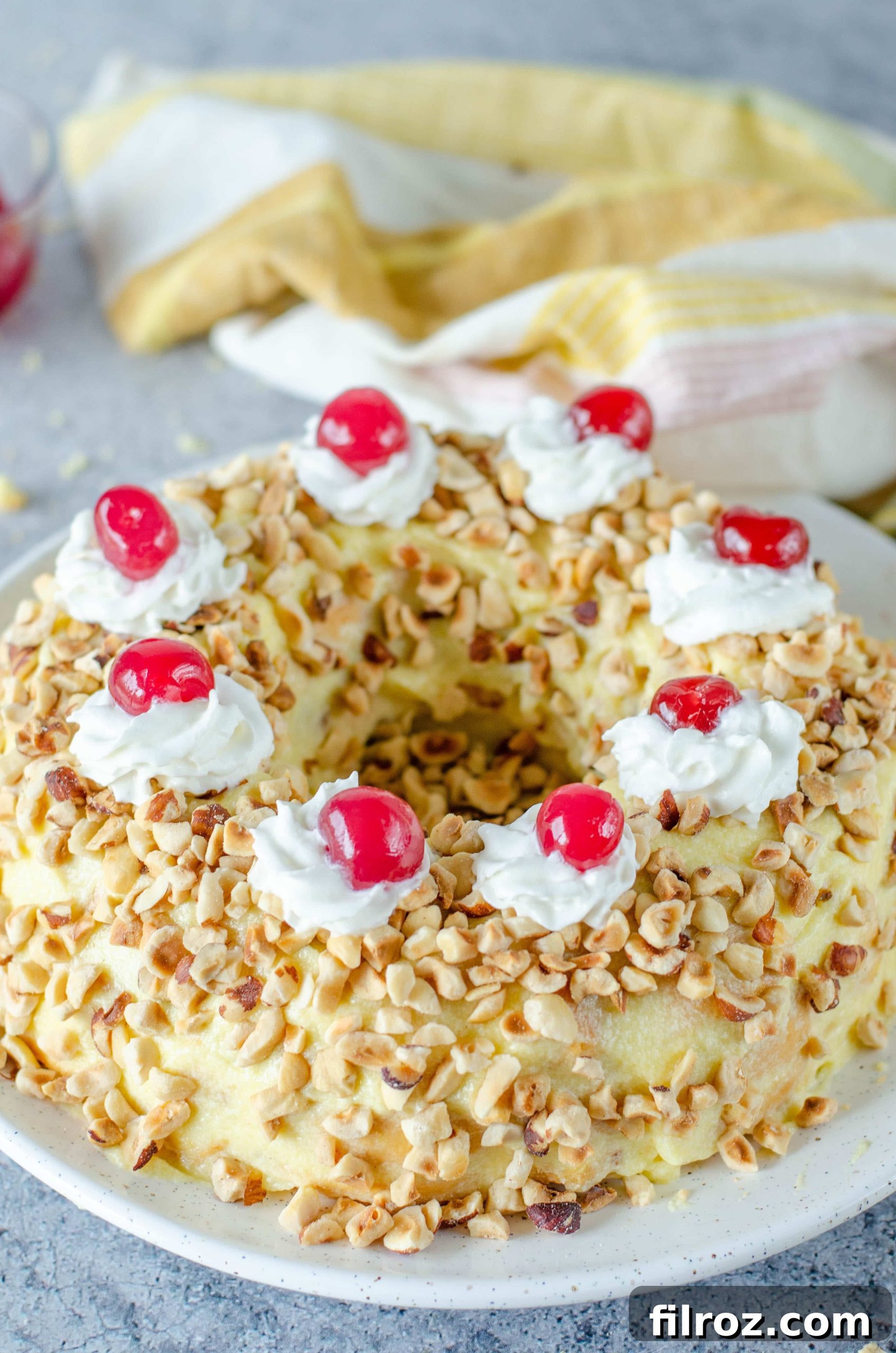
The Frankfurter Kranz, meaning “Frankfurt Wreath” or “Frankfurt Crown,” is a celebrated German cake originating from the city of Frankfurt am Main. Its history dates back to 1735, created by an unknown master baker. This regal dessert is designed to symbolize a crown, reflecting Frankfurt’s historical significance as the “Coronation City” of the Holy Roman Emperors for many years. The cake typically takes the shape of a Bundt cake, creating a distinctive ring, which is then adorned with a crunchy, golden brittle and finished with decorative “jewels” of candied cherries, truly embodying its royal namesake.
Beyond its striking appearance, the Frankfurter Kranz is renowned for its harmonious blend of textures and flavors. It features light, airy sponge cake layers generously filled with a tangy jam, enrobed in a luxurious, creamy German buttercream frosting, and coated with caramelized hazelnuts (Krokant). It’s more than just a dessert; it’s a piece of German culinary heritage, often served on special occasions, celebrations, and Sunday Kaffee und Kuchen (coffee and cake) gatherings.
Why You’ll Love Baking This Easy German Cake
If you’ve always admired traditional German baking but felt intimidated by intricate recipes, the Frankfurter Kranz is the perfect starting point. Here’s why this particular German Crown Cake recipe will become a cherished favorite:
- Surprisingly Simple: Despite its elegant presentation, the steps for making this cake are straightforward and accessible for bakers of all skill levels.
- Authentic Flavor: You’ll achieve the true taste of a classic Frankfurter Kranz, featuring a moist sponge cake and rich, custard-based German buttercream.
- Impressive Presentation: The Bundt cake shape, golden hazelnut brittle, and vibrant candied cherries make for a show-stopping dessert that’s perfect for birthdays, holidays, or any celebratory occasion.
- Comforting & Delicious: The combination of soft cake, fruity jam, and creamy frosting creates a wonderfully balanced and deeply satisfying flavor profile that embodies comfort.
- Made with Common Ingredients: All the components can be easily found at your local grocery store, meaning no special trips for obscure items!
Essential German Crown Cake Ingredients
Crafting this delightful German treat requires a selection of readily available ingredients. Gather your shopping list and prepare for a rewarding baking experience:
- Eggs (separated): The foundation of our light sponge cake. Separating them allows us to whip the whites into a stable meringue, providing the cake’s airy texture, while the yolks enrich the batter.
- Granulated Sugar: Essential for both sweetening the cake batter and stabilizing the egg whites in the meringue.
- Vanilla Extract: A crucial flavoring agent that imparts a warm, aromatic sweetness to both the cake and the buttercream. Use good quality pure vanilla extract for the best results.
- Baking Ingredients:
- All-Purpose Flour: Provides the main structure for our cake.
- Cornstarch: A key ingredient in sponge cakes, cornstarch helps to tenderize the cake crumb, making it lighter and softer.
- Baking Powder: Our leavening agent, ensuring the cake rises beautifully and achieves that desirable fluffy texture.
- Cold Water: A small amount is used with the egg whites and sugar to create a more stable meringue.
- Chopped Hazelnuts (Krokant): These are traditionally caramelized for a delicious crunch, forming the “golden crisp” around the cake. Pre-chopped hazelnuts save time, or you can buy whole ones and chop them yourself.
- Vanilla Pudding Mix (package): This forms the base of our luscious German buttercream, giving it a unique custard-like texture and rich vanilla flavor.
- Milk: Used to prepare the vanilla pudding according to package directions. Whole milk typically yields a creamier pudding.
- Softened Butter: A critical component for the German buttercream, providing richness and a smooth, spreadable consistency. Ensure it’s at room temperature for optimal whipping.
- Powdered Sugar (Confectioners’ Sugar): Sweetens the buttercream and contributes to its silky-smooth texture.
- Jelly or Jam of Choice: A layer of fruit preserves is spread between the cake rings, adding moisture, tang, and a burst of fruity flavor. Cherry jelly is traditional and complements the candied cherries beautifully, but strawberry or redcurrant are also excellent choices.
- Candied Cherries: These vibrant, syrupy cherries are the signature “jewels” that adorn the top of the Frankfurter Kranz, adding a pop of color and extra sweetness.
- Whipped Cream (optional, for topping/decorating): While the German buttercream is the main frosting, a little whipped cream can be used for extra decorative rosettes.
A detailed list of exact measurements and quantities for each ingredient can be found in the recipe card below.
How to Make a Classic Frankfurt Crown Cake: Step-by-Step Guide
Creating a delicious Frankfurter Kranz involves preparing the light sponge cake from scratch, whipping up a rich German buttercream, and then assembling these components into a stunning dessert. Follow these detailed steps to ensure a smooth and enjoyable baking process:
Step 1: Prepare the Meringue
In a very clean, grease-free bowl (preferably metal or glass), combine the egg whites, half of the granulated sugar, and cold water. Using an electric mixer, whisk this mixture for approximately 5 minutes on high speed until soft, glossy peaks form. The meringue should hold its shape when you lift the whisk, but the tip should curl over slightly. Set this aside gently.
Step 2: Whisk Egg Yolks and Combine
In a separate, medium-sized bowl, whisk the egg yolks with the remaining granulated sugar until they become pale yellow and thick, forming a foamy consistency. This typically takes a few minutes. Carefully fold the whisked egg yolks into the prepared meringue, then gently fold in the vanilla extract. The goal is to combine them without deflating the airy meringue, so use a spatula and a gentle “cut and fold” motion.
Step 3: Fold in Dry Ingredients
Sift together the all-purpose flour, cornstarch, and baking powder. Gradually add these dry ingredients to the egg mixture, folding gently until just combined. Be careful not to overmix, as this can develop the gluten in the flour and result in a tough cake. A few small streaks of flour are better than an overmixed batter.
Step 4: Prepare Your Bundt Pan
Generously grease a standard Bundt pan (10-12 cup capacity) with softened butter, ensuring all nooks and crannies are coated. Then, lightly dust the entire inside surface with flour, tapping out any excess. This crucial step prevents the cake from sticking. Carefully pour the prepared batter into the Bundt pan and gently smooth the top to create an even base.
Step 5: Bake the Cake
Preheat your oven to 350°F (175°C). Bake the cake for approximately 25 minutes, or until a wooden skewer or toothpick inserted into the center comes out clean. The cake should be golden brown and spring back lightly when touched.
Step 6: Prepare the German Buttercream Frosting
While the cake bakes, begin your German buttercream. First, prepare the vanilla pudding according to the package directions, using the milk specified. Allow the pudding to cool completely and firm up. This is a critical step; warm pudding will melt the butter. In a separate bowl, beat the softened butter, powdered sugar, and vanilla extract together until the mixture is light, pale, and fluffy. Finally, gradually add the cooled vanilla pudding to the butter mixture, beating until thoroughly combined and smooth. The result should be a rich, creamy, and stable frosting.
Step 7: Allow Cake to Cool Fully
Once baked, remove the cake from the oven. Let it cool in the Bundt pan for about 10-15 minutes before carefully inverting it onto a wire cooling rack. Allow the cake to cool completely to room temperature. Rushing this step can lead to a crumbly cake or a melting frosting.
Step 8: Slice the Cake Layers
Once the cake is fully cooled, use a long, serrated knife to carefully slice the Bundt cake horizontally into three even rings. Precision here ensures a beautiful layered appearance. Take your time to make clean cuts.
Step 9: Layer with Jam and Frosting
Place the first cake ring on your serving platter or cake stand. Evenly spread a generous layer of your chosen jelly or jam over the top. Then, pipe or spread a layer of the German buttercream frosting over the jam. Carefully place the second cake ring on top and repeat the jam and frosting layers. The fruitiness of the jam provides a wonderful contrast to the rich buttercream.
Step 10: Frost the Entire Cake
Place the final top portion of the cake onto the layered base. Now, use the remaining German buttercream to frost the entire exterior of the cake, including the top, sides, and the inner ring. Aim for a smooth and even coating, as this will be the canvas for your decorations.
Step 11: Decorate for a Royal Finish
The final step is to transform your cake into a true “crown.” Generously cover the frosted exterior with the crushed hazelnuts, pressing them gently into the buttercream to ensure they adhere well. For the signature “jewels,” you can either pipe small rosettes of additional buttercream or whipped cream (if using) onto the top ring of the cake. Place a candied cherry on top of each rosette. Arrange them evenly around the cake for a balanced and beautiful presentation.
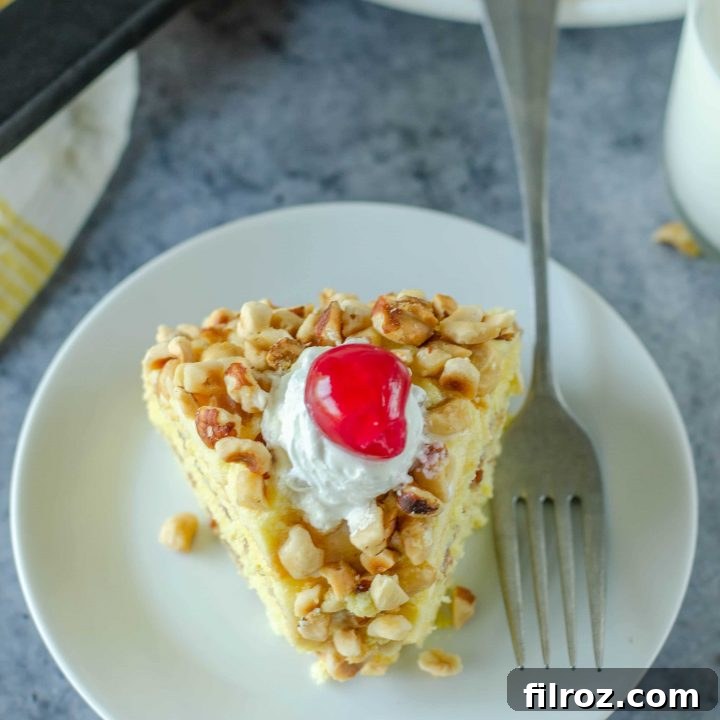
Your stunning Frankfurter Kranz is now complete and ready to be sliced and served! Each bite offers a delightful symphony of soft cake, sweet jam, creamy frosting, and crunchy hazelnuts.
Understanding the Frankfurter Kranz: Cake and Frosting Demystified
What Kind of Cake is This?
The cake base for a Frankfurter Kranz is typically a classic sponge cake, similar to a Génoise or a light chiffon-style cake. This type of cake is specifically chosen for its light, airy, and fluffy texture. Its delicate crumb makes it perfect for absorbing the moisture and flavors from the jam and buttercream, resulting in a cake that is never dry but always delightfully tender. Unlike heavier butter cakes, sponge cakes rely on whipped eggs for their rise, creating a structure that is both robust enough for layering and wonderfully soft to eat.
What is German Buttercream Frosting Made Of?
The frosting used for this German Crown Cake is a distinctive and delicious German buttercream frosting, also known as Buttercreme. Unlike American buttercream (which is very sweet and butter-heavy) or Swiss/Italian meringue buttercreams, German buttercream is characterized by its rich, custard or pudding base. It’s made by combining a smooth, prepared vanilla pudding (or custard) with whipped softened butter, powdered sugar, and vanilla extract. This unique combination results in a frosting that is incredibly creamy, less sweet than other buttercreams, and boasts a wonderfully silky texture that melts in your mouth. It’s stable enough to hold its shape for decorating and provides a luxurious mouthfeel.
Choosing Your Jam or Jelly
The choice of jam or jelly plays a vital role in the Frankfurter Kranz, adding a contrasting tartness and fruity flavor that cuts through the richness of the buttercream. Traditionally, red fruit jams are preferred to complement the candied cherries and the cake’s festive appearance. Cherry jelly or jam is an excellent choice, enhancing the cherry theme. However, you can also experiment with other red berry jams such as strawberry, raspberry, or blackcurrant. Ensure you use a good quality jam with a vibrant flavor to elevate your cake. A smooth jelly without large fruit chunks often works best for even spreading between the layers.
Expert Tips for Frankfurter Kranz Success
To ensure your German Crown Cake turns out perfect every time, keep these helpful tips in mind:
- Room Temperature Ingredients: For both the cake batter and the buttercream, ensure your eggs and butter are at room temperature. This helps them combine smoothly and achieve the correct consistency.
- Don’t Overmix: When folding in the dry ingredients for the cake, mix only until just combined. Overmixing can lead to a dense, tough cake.
- Cool Completely: The cake must be completely cool before slicing and frosting. Warm cake will melt the buttercream, leading to a messy outcome. Similarly, the pudding for the buttercream must be thoroughly chilled.
- Sharp Serrated Knife: Use a long, sharp serrated knife to slice the cake layers evenly. This helps prevent tearing and ensures neat, symmetrical layers.
- Quality Ingredients: Since this cake has relatively few components, the quality of your ingredients truly shines through. Opt for good quality butter, vanilla extract, and jam.
- Homemade Krokant (Optional): For an extra authentic touch, you can make your own Krokant by caramelizing sugar and then mixing in chopped hazelnuts, spreading it thinly, and crushing it once cooled.
- Patience with Buttercream: If your German buttercream looks curdled, keep beating! Often, with continued mixing, it will come together and become smooth.
How to Store Leftovers and Enjoy Later
Given that this beautiful cake features a rich buttercream frosting and a fruit jam filling, proper storage is essential to maintain its freshness and deliciousness.
Storing in the Refrigerator
The German Crown Cake should always be stored in the refrigerator due to its dairy-based frosting and jam. To properly store a frosted cake in the fridge:
- First, place the uncovered cake in the refrigerator for about 15-30 minutes. This allows the buttercream frosting to firm up slightly.
- Once the frosting has hardened, loosely cover the cake with plastic wrap or place it in an airtight cake carrier. This prevents the cake from drying out and absorbing odors from other foods in the fridge.
- Stored this way, your Frankfurter Kranz will remain fresh and delightful for 3-5 days.
- For best flavor and texture, allow the cake to come to room temperature for 30 minutes before serving.
Can I Freeze It?
Absolutely! The Frankfurter Kranz freezes exceptionally well, making it a great make-ahead option for special occasions or to enjoy a slice whenever a craving strikes.
- To freeze a frosted cake, first place the uncovered cake on a baking sheet and transfer it to the freezer. Let it freeze solid to the touch, which usually takes 1-2 hours. This step prevents the frosting from sticking to the wrap.
- Once frozen, wrap the cake tightly first in plastic wrap, ensuring no air pockets, and then in a layer of aluminum foil. This double layer of protection helps prevent freezer burn.
- Label the wrapped cake with the date. It can be stored in the freezer for up to 2 months.
- To thaw, transfer the frozen cake (still wrapped) to the refrigerator overnight. Once thawed, unwrap it and let it come to room temperature for about an hour before serving for optimal flavor and texture.
The Ultimate German Crown Cake Recipe
German Crown Cake (Frankfurter Kranz)
Ingredients
- 1 tablespoon cold water
- 2 large eggs, separated
- 1/2 cup granulated sugar (divided)
- 1 teaspoon vanilla extract (for cake)
- 1/2 cup all-purpose flour
- 1/3 cup cornstarch
- 1/2 teaspoon baking powder
- 3/4 cup chopped hazelnuts (for garnish)
- 1 (3-ounce) package vanilla pudding mix
- 1 1/2 cups milk
- 8 tablespoons (1 stick) butter, softened (for frosting)
- 2 tablespoons powdered sugar (for frosting)
- 1/4 teaspoon vanilla extract (for frosting)
- 1/2 cup jelly of choice, such as cherry, strawberry, or redcurrant
- 3 to 4 candied cherries (for decoration)
- Whipped cream for topping (optional, for rosettes)
Instructions
For the Cake
- Preheat oven to 350°F (175°C). Grease and flour a 10-12 cup Bundt pan.
- In a clean bowl, whisk together the egg whites, 1/4 cup of the granulated sugar, and cold water for 5 minutes until soft peaks form. This creates a meringue. Set aside.
- In a separate bowl, whisk together the egg yolks with the remaining 1/4 cup of granulated sugar until pale and foamy.
- Gently fold the egg yolk mixture into the meringue, then fold in the 1 teaspoon vanilla extract.
- Sift together the flour, cornstarch, and baking powder. Gradually fold these dry ingredients into the egg mixture until just combined. Do not overmix.
- Pour the batter into the prepared Bundt pan and gently even out the bottom.
- Bake for 25 minutes, or until a toothpick inserted into the cake comes out clean.
For the German Buttercream Frosting
- Prepare the vanilla pudding according to package directions, using 1 1/2 cups milk. Let it cool completely and firm up in the refrigerator.
- In a large bowl, beat the softened butter, 2 tablespoons powdered sugar, and 1/4 teaspoon vanilla extract until light and fluffy.
- Gradually add the cooled vanilla pudding to the butter mixture, beating until smooth and well combined.
How to Assemble the Cake
- Remove the cake from the oven and allow it to cool slightly in the pan for 10-15 minutes before inverting it onto a wire rack. Let it cool completely to room temperature.
- Once the cake is cooled, carefully slice it horizontally into 3 even layers using a serrated knife.
- Place the first cake layer on your serving platter. Spread half of your chosen jelly or jam evenly over this layer, then top with a generous layer of German buttercream frosting.
- Place the second cake layer on top and repeat with the remaining jelly/jam and another layer of frosting.
- Top with the third cake layer. Frost the entire cake (top, sides, and inner ring) with the remaining buttercream, aiming for a smooth finish.
- Press the chopped hazelnuts all around the frosted sides and top of the cake, ensuring they adhere to the buttercream.
- Pipe small rosettes of frosting (or whipped cream, if using) evenly around the top edge of the cake. Place one candied cherry on top of each rosette.
- Slice and serve this magnificent German Crown Cake.
Other Delicious Cakes to Try
If you’ve enjoyed making this easy German Crown Cake, you’re in for a real treat with these other fantastic cake recipes. They are perfect for expanding your baking repertoire and satisfying your sweet tooth:
- Indulgent Hot Chocolate Cake (with irresistible marshmallow frosting!)
- Fresh Strawberry Lemon Cake
- Cozy Pumpkin Caramel Cake
- Classic Carrot Sheet Cake
We hope this comprehensive guide inspires you to bake your very own Frankfurter Kranz. It’s a truly rewarding experience that brings a taste of German tradition to your table. How did your German Crown Cake turn out? We’d love to hear your thoughts and experiences with this recipe in the comments below!